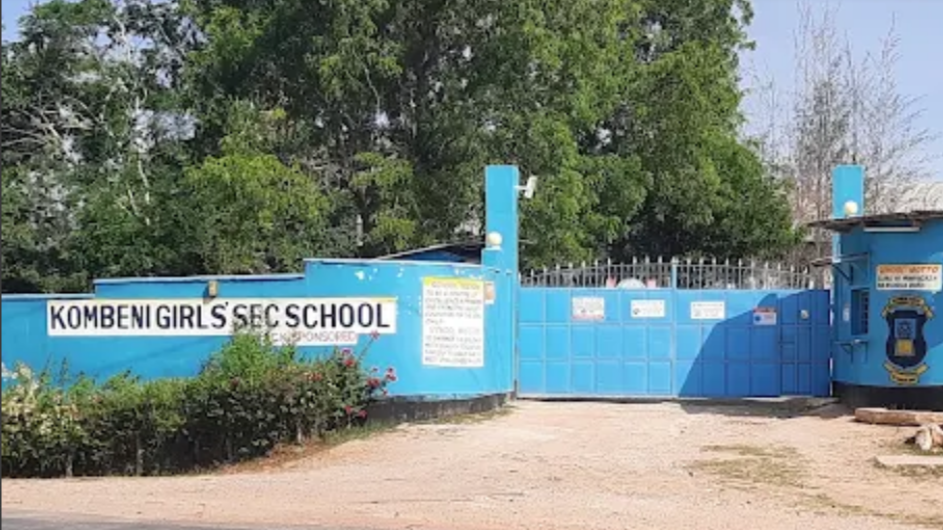
Just outside Mombasa, Kenya, the lunch bell rings for 1,200 secondary school girls.
Immediately, the kitchen staff at Kombeni Girls School spring into action. Large pots simmer, cooks move quickly between stations, and meals are served for hundreds of students who live and learn on campus. By the end of the year, this kitchen will have prepared nearly one million meals.
For decades, those meals have been cooked the traditional way—using firewood.
One of the most rewarding parts of Emily More’s role as BHLF’s Portfolio Manager is seeing the people behind the projects. While many conversations happen over calls and reports, nothing compares to standing alongside community members and experiencing their day-to-day realities firsthand.
During a recent visit to Kombeni Girls School in Kenya with our partner Vision Energy, Emily stepped inside the school’s kitchen and immediately understood both the challenges and the opportunity this project represents.
“The heat in the kitchen is overwhelming, and the smoke is unbearable,” Emily shared. “Standing inside the kitchen for a few minutes, it is difficult to imagine working in that environment for hours every day.”
The kitchen is not only hot. Like many institutional kitchens across East Africa, it is often filled with smoke from cooking fuels that can affect the health and comfort of the staff who spend hours there each day.
But change is already underway.
Kombeni Girls School is the first school being converted through Vision Energy’s BHLF-supported loan. During Emily’s visit, installation teams were onsite installing LPG piping and tanks. Even while construction was happening, the kitchen staff continued preparing meals for students, keeping the kitchen running without missing a beat.
The excitement surrounding the LPG conversion was impossible to miss.
Emily spoke with teachers, kitchen staff, school leadership, and students. Across every conversation, there was a shared sense of pride about what this project will bring.
Soon, cooks will spend less time working in smoke-filled conditions. Meals can be prepared more efficiently. The kitchen environment will be cleaner and more comfortable. And the school will have a cooking solution that can better support its future growth.
That future is already taking shape.
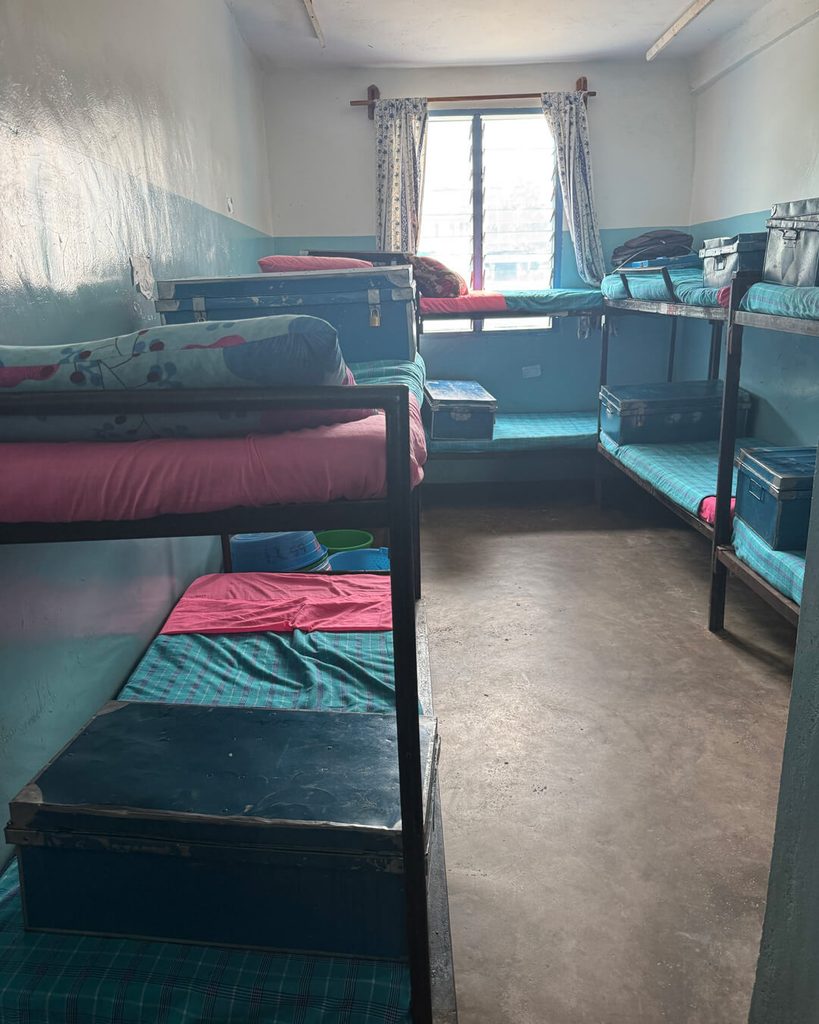
Founded in 1993, Kombeni Girls School has grown into a thriving boarding school community. Students live in dormitories, attend classes, and even participate in agricultural programs where they help raise chickens and livestock as part of their education.
At present, the school serves 1,200 students, but demand continues to grow. School leaders hope to expand enrollment by another 600 girls in the coming years, creating opportunities for even more young women to access education.
As the campus grows, so does the need for reliable, efficient, modern energy infrastructure.
That is why clean cooking matters.
A kitchen may not be the first thing people imagine when they think about educational opportunity. Yet every lesson, exam, and extracurricular activity is impacted by the air quality on campus and the quality of daily meals. When schools can cook those meals more in a clean, safe environment, the benefits ripple throughout the entire community.
In the coming days, Kombeni Girls School will complete its transition to LPG.
For BHLF, this project represents more than a fuel conversion. It is an investment in the health of kitchen staff, the well-being of students, and the continued growth of a school that is shaping the next generation of young women in Kenya.
Standing in the hot, smoky, busy kitchen as preparations continued around her, Emily marveled at the difference LPG will make.